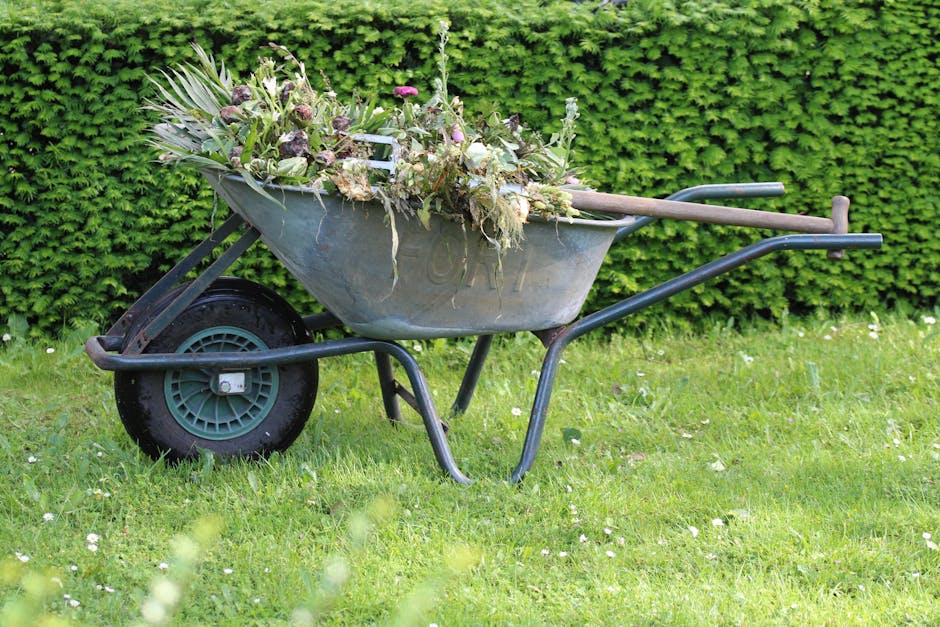
Emergency garden clearance and same day gardeners in Chiswick W4
If your garden has tipped from "a bit untidy" into "we really need this sorted today", you are not alone. Storm debris, overgrown borders, dumped bags, broken branches, or a patio that's suddenly become unusable can all turn into an urgent problem fast. Emergency garden clearance and same day gardeners in Chiswick W4 are there for exactly that kind of situation: quick, practical help when time matters and you need the space safe, usable, and under control again.
In a busy part of West London, that can make a real difference. Maybe you've got a last-minute property viewing, a landlord inspection, access blocked by cuttings, or a garden that's become a trip hazard after bad weather. Whatever the reason, the job is usually not just about "tidying up". It's about removing risk, making the area manageable, and doing it without making an already stressful day worse. This guide explains how emergency clearance works, what same day gardeners can realistically do, what to watch for, and how to get the best outcome without wasting time.
For broader seasonal upkeep and planned visits, you may also find the local garden maintenance service and services overview useful once the immediate rush is handled.
Table of Contents
- Why Emergency garden clearance and same day gardeners in Chiswick W4 Matters
- How Emergency garden clearance and same day gardeners in Chiswick W4 Works
- Key Benefits and Practical Advantages
- Who This Is For and When It Makes Sense
- Step-by-Step Guidance
- Expert Tips for Better Results
- Common Mistakes to Avoid
- Tools, Resources and Recommendations
- Law, Compliance, Standards, or Best Practice
- Options, Methods, or Comparison Table
- Case Study or Real-World Example
- Practical Checklist
- Conclusion
- Frequently Asked Questions
Why Emergency garden clearance and same day gardeners in Chiswick W4 Matters
Urgent garden work tends to arrive at the worst possible moment. A neighbour may complain about boundary overgrowth, a branch may come down overnight, or a garden may simply become too cluttered to use safely. In those moments, speed is not a luxury. It is the point.
Emergency garden clearance matters because delays can make a straightforward problem harder. Wet cuttings start to smell, stacked waste becomes heavier, and blocked access can complicate everything from deliveries to bin collections. If you have children, pets, or elderly relatives using the space, the safety issue becomes even more immediate. To be fair, even a small pile of broken pots or hidden garden waste can be enough to cause a nasty stumble.
Same day gardeners are useful because they bridge the gap between a tidy-up and a full landscape project. They focus on the immediate priority: removing unwanted growth, debris, and hazards quickly, then leaving the site in a cleaner, safer state. That can be the difference between a garden that feels chaotic and one that feels usable again by the evening.
Practical takeaway: emergency clearance is not about making a garden perfect. It is about making it safe, accessible, and manageable fast. That alone can take a huge weight off your shoulders.
There is also a local angle. In Chiswick W4, properties often have compact rear gardens, shared access, side returns, or enclosed spaces where waste removal needs careful handling. The right team knows that "quick" still has to be organised. Bags, branches, green waste, old compost, and bulky debris all need separating sensibly, especially where access is tight. You do not want a rushed job that leaves the pathway blocked or the pavement messy. Nobody enjoys that awkward moment when the front gate becomes the sorting area.
How Emergency garden clearance and same day gardeners in Chiswick W4 Works
The process is usually simpler than people expect. A good same day service will try to understand the scale of the work first, then prioritise what needs doing immediately. That might be a phone call, a short message, or a quick site visit if timing allows.
Typical emergency clearance flow
- You describe the problem clearly. Mention hazards, access issues, waste volume, overgrowth, and whether anything is damaged or unstable.
- The gardener assesses urgency. Some jobs are straightforward cut-back and removal. Others need extra care, such as fallen branches near fencing or heavy waste near shared access routes.
- Tools and team size are matched to the task. A small front-garden tidy is very different from a rear garden full of cuttings and bags of mixed waste.
- The main clearance begins. This may include cutting back, bagging, loading, sweeping, and removing debris from paths or patios.
- The site is made safe and presentable. You should expect a clear finish, not just a pile shifted from one corner to another.
In real terms, same day gardeners are most effective when the job is defined. "Clear everything" is less helpful than "remove fallen branches, cut back the front hedge, and clear the patio so the back door opens properly." A precise brief saves time, and time is what you are buying in an emergency.
If the work also involves regular cutting back or ongoing upkeep after the urgent stage, it often makes sense to follow up with hedge trimming, lawn mowing, or longer-term garden maintenance. That way, the same problem does not creep straight back in a few weeks later. It happens more often than people like to admit.
Key Benefits and Practical Advantages
The obvious benefit is speed, but there is more to it than that. Emergency garden clearance and same day gardeners in Chiswick W4 can solve several issues at once.
- Immediate safety improvement: loose branches, slippery cuttings, and blocked walkways are dealt with quickly.
- Better access: you can use patios, sheds, bins, side entrances, and rear doors again.
- Reduced stress: a fast response is reassuring when a garden problem starts affecting your day.
- Cleaner first impression: useful before a sale, rental inspection, family event, or work being done on the property.
- Less physical strain: heavy lifting, cutting, and bagging can be tough if you are short on time or mobility.
- More sensible waste handling: garden waste is removed in a planned way rather than left in an untidy heap.
There is also a practical financial angle. A small same day clearance may be easier and cheaper than waiting until the problem grows into a larger job. Once overgrowth spreads into borders, fences, paths, or trees, the job can become more labour-intensive. That is not fearmongering, just common sense.
Another benefit is momentum. Once the visible mess is gone, people often feel more motivated to keep going. We have seen many gardens where the first urgent clearance became the turning point for a much calmer, more maintainable outdoor space. Sometimes you just need the first pass done well. Then everything feels possible again.
For more detail on what a broader clearance might include, take a look at the dedicated garden clearance service and the wider service overview.
Who This Is For and When It Makes Sense
This kind of service suits a surprisingly wide range of people. It is not only for "extreme" gardens. Often, it is for ordinary households that have hit an ordinary but urgent problem.
Common situations where same day help makes sense
- After high winds or bad weather: branches, leaves, and debris can make paths unsafe.
- Before an inspection or viewing: the garden needs to look presentable quickly.
- After a period of neglect: if work, travel, illness, or family pressures have left the garden behind.
- When access is blocked: bins, sheds, gates, and doors may be hard to reach.
- Following building or DIY work: leftover materials and offcuts can clutter the space.
- For landlords and agents: end-of-tenancy or changeover situations often move fast.
- For older or busy homeowners: not everyone wants to spend a Saturday wrestling with thorny brambles and bags of waste.
It also makes sense if you are trying to avoid damage. A leaning shrub rubbing against fencing, an unstable branch, or heavy growth against a wall can worsen if left alone. In those cases, "later" is not always a good plan. Truth be told, a garden has a funny way of getting noisier when you ignore it. One windy night and suddenly the issue is harder, messier, and more annoying.
If the issue is more than just loose debris and involves trees or dangerous limbs, it may be worth looking at tree lopping and removal. If the area also needs reshaping or longer-term improvement after the clearance, landscaping or landscape gardening may be the next sensible step.
Step-by-Step Guidance
If you want the fastest possible result, it helps to approach the job like a project, even if it is an urgent one. A clear plan keeps everyone aligned and saves back-and-forth.
1. Identify the urgent problem
Decide what is actually urgent. Is it safety, access, appearance, or all three? A garden overrun with cuttings may need a different response from one with a fallen branch leaning across a fence.
2. Gather a few simple details
Before contacting a gardener, note the approximate size of the area, the type of waste, whether there is clear access, and whether anything is fragile or hazardous. Even a rough description helps.
3. Be specific about timing
If you need same day help, say so upfront. Same day gardeners can only work around their schedule if they know the job is urgent. A quiet "if possible today" is useful; a clear "today is essential" is even better.
4. Clear a route in and out
Move cars, open gates, and make sure access paths are usable. That may sound obvious, but it is one of the easiest ways to help the job go smoothly. A clear route also reduces the chance of accidental damage.
5. Separate what must stay from what can go
If there are pots, tools, toys, or items you want kept, make that clear before work starts. Once clearance begins, things can disappear into the general chaos rather quickly. Happens all the time.
6. Confirm waste handling expectations
Ask how the waste will be collected and where possible materials will be taken. Garden clearance should not leave you guessing about the pile at the end. A tidy finish matters.
7. Review the result before the team leaves
Check pathways, corners, edges, and access points. Make sure the garden feels safe and usable. If a specific area still needs attention, say so then rather than later.
This simple sequence is especially helpful where the work is urgent but not complicated. It keeps the focus where it should be: on getting the garden back under control as efficiently as possible.
Expert Tips for Better Results
In our experience, the best emergency jobs are the ones where the brief is tight and the expectations are realistic. You do not need a perfect vision. You need a good outcome, quickly.
- Prioritise the hazards first. Clear trip points, unstable items, and access blocks before worrying about fine detail.
- Work from the exit inward. This prevents waste from being moved around twice.
- Choose containment over scattering. Bagging cuttings as you go keeps the site neater and easier to manage.
- Be realistic about what "same day" means. Sometimes the team can start quickly but may need a few hours to complete a larger site.
- Keep valuable items out of the work zone. A hose, ceramic pot, or ornamental light is easily damaged in a rush.
- Ask for the minimum necessary, then build from there. You can always expand the scope once the emergency is under control.
A small practical example: if a rear path is covered in wet leaves and cuttings, ask for that route to be cleared first. Once access is restored, the rest of the work becomes safer and less stressful. It sounds simple because it is. But simple is often what saves the day.
If you are trying to keep the garden in better shape after the urgent work, regular lawn mowing and seasonal hedge trimming can stop things escalating so fast next time. Not glamorous, but very effective.
Common Mistakes to Avoid
Urgent situations make people rush, and that is understandable. Still, a few common mistakes can make the job harder or more expensive than it needs to be.
Leaving the brief too vague
"The garden is a mess" is true, but it is not very useful. Try to mention the main problem, the size of the area, and whether access is open. A little clarity goes a long way.
Waiting until the last minute when access is already blocked
If gates are jammed, pathways are hidden, or waste has spread into public-facing areas, things become slower. A quick heads-up helps the team prepare properly.
Assuming every job is purely cosmetic
Some urgent clearances involve safety. Broken branches, unstable stacks, or concealed debris should be treated carefully. Cosmetic tidy-ups are one thing; hazard reduction is another.
Trying to do everything yourself before help arrives
It can be tempting to start dragging heavy waste around. But if you risk injury or make access worse, you may end up slowing the whole process down. Let's face it, nobody wants a sore back on top of an already bad morning.
Forgetting about waste volume
What looks like "a few piles" in the garden can become quite a lot once collected and bagged. It is worth being honest about volume so the right time and equipment can be brought.
Not thinking past the emergency
Once the immediate clearance is complete, think about what would prevent a repeat. That may mean ongoing maintenance, hedge work, or a bigger tidy-up plan later.
Tools, Resources and Recommendations
Same day gardeners use a practical mix of tools, but the exact kit depends on the job. For most emergency clearances, the essentials are straightforward.
- Cutting tools: for brambles, stems, and general overgrowth.
- Rakes and grabbers: useful for leaves, twigs, and loose debris.
- Heavy-duty bags or tubs: for containing waste neatly.
- Hand tools: for edging, pruning, and awkward corners.
- Protective equipment: gloves, eye protection, and sturdy footwear where needed.
- Vehicle or loading plan: important when waste needs moving off site efficiently.
For homeowners, the most useful "resource" is actually preparation. A few minutes spent identifying what you want kept, what can go, and what needs priority can save a lot of time on the day. If you are organising several jobs at once, it may also help to think of the garden in zones: access, lawn, borders, fence line, and hard surfaces. That makes communication much easier.
When the problem touches more than clearance, it may be worth reviewing related services such as landscaping, decking services, or the full service overview. This is especially useful if the garden needs a cleaner structure after the urgent work is out of the way.
Law, Compliance, Standards, or Best Practice
For emergency garden clearance, the most relevant point is usually best practice rather than hard legal complexity. That said, there are sensible expectations around safety, access, and waste handling that reputable gardeners should follow.
Garden waste should be managed responsibly, with care taken not to leave hazards behind. If the work creates debris, it should be contained and removed in a way that keeps paths and shared areas clear. Where tools, ladders, or cutting equipment are involved, safe working practice matters. If a job includes trees, branches, or unstable features, caution becomes even more important.
In the UK, homeowners and property managers also need to think about neighbours, shared access, and avoidable nuisance. For example, if debris could fall into a neighbouring space, or if access crosses a communal path, the work should be planned with that in mind. Good practice is usually simple: communicate clearly, work tidily, and leave the site safer than it was found.
It is also sensible to check that a provider has appropriate insurance and follows sound safety procedures. If you want a better sense of how a company approaches this, the pages on insurance and safety and health and safety policy can help set expectations. For greener disposal habits, their recycling and sustainability approach may also be relevant.
None of this needs to be overcomplicated. The key is simply to choose people who treat urgent garden work like a proper job, not a quick fling with a rake and a bin bag.
Options, Methods, or Comparison Table
Not every urgent garden issue needs the same solution. Here is a simple comparison of common options so you can decide what fits best.
| Option | Best for | Typical speed | Best outcome |
|---|---|---|---|
| DIY tidy-up | Small leaf piles, light pruning, very minor clutter | Depends on your time and tools | Cheap if you already have everything, but slower and more tiring |
| Same day gardener | Urgent mess, blocked access, last-minute clean-up, safety concerns | Fast, often same day where available | Efficient clearance with less stress and better finish |
| Full garden maintenance visit | Recurring untidiness, seasonal care, longer-term upkeep | Usually scheduled in advance | More stable results over time |
| Landscape or rebuild work | Gardens needing redesign, repairs, or structural improvement | Slower, project-based | Best for long-term change, not emergency response |
The right option depends on the size of the issue and the time you have. If the garden needs to be safe today, a same day service is usually the right first move. If it is an ongoing problem, planned maintenance may be the smarter follow-up. And if the garden is beyond simple clearing, a broader project may be needed. No shame in that at all.
Case Study or Real-World Example
A typical same day call in Chiswick might go like this. A homeowner wakes up to find that a recent storm has dropped branches into the side return, damp leaves have made the paving slippery, and the back access is nearly blocked. They have family arriving that evening, so waiting is not ideal.
The first step is not a full redesign. It is a focused clearance: remove the branches, clear the access route, bag up the wet debris, sweep the paving, and make sure the gate and door can be used safely. If there is a hedge pushing into the path, it may be trimmed back just enough to restore space. If a tree limb is involved, that may need a more careful approach or a separate assessment through tree lopping and removal.
By the end of the visit, the garden is not "finished" in the decorative sense. There may still be a border that needs attention or a lawn that needs cutting. But the family can walk through safely, the space looks presentable, and the urgent pressure is gone. That is the real value: a fast reset, not a fantasy makeover.
And honestly, that reset can be a relief. You open the back door, see daylight on the patio again, and think, right, we can breathe now.
Practical Checklist
Use this checklist before a same day gardener arrives. It keeps things moving and helps avoid a muddled first hour.
- State the main problem clearly.
- Confirm that the job is urgent and needs same day attention.
- Describe access points, gates, and any parking limitations.
- Point out anything fragile, valuable, or unsafe.
- Separate items you want kept from waste to be removed.
- Make sure the route into the garden is open.
- Ask how waste will be handled and cleared away.
- Prioritise hazards first: trip points, branches, and blocked pathways.
- Check the final result before the team leaves.
- Note any follow-up work needed for maintenance or improvement.
If you want to prevent a repeat emergency, it helps to schedule routine support after the clearance. A combination of garden maintenance, hedge trimming, and lawn mowing often keeps things under control with far less drama. Which, frankly, is nicer for everyone.
Get a free quote today and see how much you can save.
Conclusion
Emergency garden clearance and same day gardeners in Chiswick W4 are about restoring calm quickly when the garden has turned into a problem you cannot ignore. Whether it is a storm after-effect, an urgent inspection, a blocked access route, or a garden that has simply got ahead of you, the right response is practical, fast, and tidy.
The best results come from clear communication, realistic expectations, and a team that treats safety and access as seriously as appearance. Once the immediate pressure is gone, you can decide whether the next step is regular maintenance, selective trimming, or a more ambitious improvement. The important part is getting the space back under control today.
And sometimes, that first clear sweep through the garden is enough to change the whole mood of the place. Quietly, almost immediately.
Frequently Asked Questions
What counts as an emergency garden clearance?
An emergency clearance usually means the garden has become unsafe, inaccessible, or urgently untidy in a way that cannot wait. Common examples include storm debris, blocked paths, fallen branches, or overgrowth affecting access.
Can a same day gardener in Chiswick W4 really come out today?
Often, yes, if the schedule allows and the job is described clearly. Same day availability depends on location, workload, and the size of the task, so it helps to contact the team as early as possible.
What information should I give before booking urgent garden clearance?
Tell them the main issue, approximate garden size, access details, and whether there are hazards such as unstable branches or broken items. The clearer the brief, the faster the response can usually be.
Is emergency garden clearance different from regular garden maintenance?
Yes. Emergency clearance focuses on immediate safety and access, while regular maintenance is about keeping the garden tidy over time. They work well together, but they solve different problems.
How long does a same day clearance usually take?
That depends on the amount of waste, how hard the access is, and whether cutting or removal is involved. A small tidy-up may be fairly quick, while a larger clearance can take much longer.
Will the gardener remove all the waste?
That should be agreed in advance. In most clearance jobs, removing and disposing of the waste is part of the service, but it is always worth confirming the expected finish before work begins.
Do I need to prepare the garden before the team arrives?
Only the basics. Open gates, move vehicles if needed, and clear away items you want to keep. If the access route is free, the team can usually get started much faster.
Is same day garden clearance suitable for landlords or agents?
Yes, it is often a good fit for rental changeovers, inspections, and urgent pre-let tidy-ups. The key is to be very clear about timing and any access instructions.
What if the problem involves a tree or a dangerous branch?
That may need a more careful response than standard clearance. If the issue is tree-related, a service such as tree lopping and removal may be more appropriate depending on the risk and size of the work.
Can emergency clearance improve safety straight away?
Yes. Removing trip hazards, blocked access, and loose debris can make a garden safer quite quickly. It will not solve every underlying issue, but it can make the space much easier to use.
How do I know if I need clearance or landscaping instead?
If the problem is urgent mess, blocked access, or safety, clearance is the right first step. If the garden needs reshaping, repairs, or a bigger design change, landscaping may be the better longer-term option.
What is the best next step after the emergency is sorted?
Once the urgent work is done, arrange follow-up maintenance if needed. Regular cutting, trimming, and seasonal care can stop the same problem from returning too quickly. That is usually the sensible move.