Garden Maintenance in Chiswick

Garden Maintenance Chiswick provides practical, regular care for outdoor spaces that need to stay tidy, healthy and manageable through the seasons. Our work can include routine lawn care, border attention, hedge trimming, leaf clearance and general upkeep that keeps gardens looking presentable without becoming overworked or neglected. The focus is on dependable maintenance tasks that support plant health, visual order and day-to-day use, rather than one-off makeover claims or overblown promises.
We cover the core tasks many homeowners and property managers want handled in a steady, organised way: cutting back growth, removing debris, keeping paths and edges clear, and dealing with the slower build-up of seasonal mess. A well-kept garden is easier to enjoy and simpler to manage, and our service is built around that practical aim. If you want a neat, workable outdoor space, we can help you plan a maintenance approach that suits the condition of the garden and the level of care it needs.
For a broader view of what we offer, the services overview gives a concise starting point, while the rest of this page sets out the main maintenance work in more detail. If you already know what your garden needs, you can use the plain text below to start a conversation: tell us what is growing, what is cluttered and what should be prioritised, then request a quotation for the work that matters most.
Routine Garden Upkeep
Routine upkeep is the foundation of most maintenance visits. This is the day-to-day work that stops a garden from becoming unruly between larger seasonal tasks. It can involve general tidying, cutting back growth that has started to spill into paths or borders, and keeping the main visible areas neat. Where suitable, maintenance can be arranged as a steady cycle so that lawns, beds and access areas remain in good shape without requiring a bigger recovery job later on.
Good upkeep depends on doing the ordinary things consistently. That may mean removing spent growth, keeping edges crisp, and making sure small problems do not build into larger ones. In a mixed garden, different areas often need different levels of attention, so our approach is to keep the work focused and sensible. Not every garden needs the same routine; some need close attention to fast-growing areas, while others mainly need light but regular tidying to stay under control.
What regular maintenance can include
Typical tasks may include mowing, strimming, light pruning, weeding where agreed, deadheading, sweeping and the collection of green waste created during the visit. In many gardens, the best results come from combining a few small jobs into one planned service rather than leaving each area to drift. That keeps the garden coherent and helps the borders, lawn and access routes work together as one maintained space.
Lawn Care And Grass Management
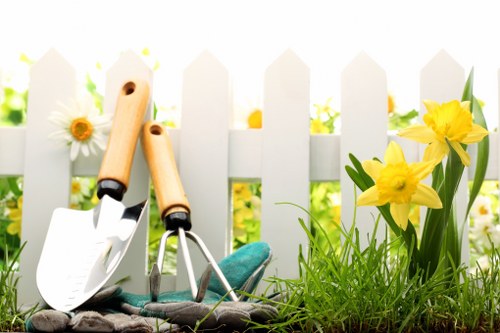
Lawn care is often the most visible part of garden maintenance, because the grass sets the tone for the whole outdoor space. A lawn that is cut to a sensible height, edged cleanly and kept clear of scattered cuttings tends to look more settled and intentional. Where appropriate, our lawn maintenance can support both presentation and plant health by preventing the grass from becoming too long, patchy at the margins or choked by surrounding growth.
Some lawns only need straightforward mowing, while others benefit from closer attention to detail, especially around borders, corners, steps and narrow strips. We can also manage the surrounding tidiness that makes the mowing more effective, such as clearing debris and trimming around awkward areas. Clean edges matter because they give the garden structure and stop the lawn from blending into beds or paving in a messy way. That practical finish is often what makes the difference between basic cutting and proper maintenance.
If your garden includes varied ground levels, lawn remnants around seating areas or small sections that are harder to access, the maintenance plan should reflect that layout. The aim is not to force every lawn into the same pattern, but to keep the grass healthy, even and suitable for regular use. When you are ready, ask for a quotation and explain the lawn size, access and condition so the work can be matched properly.
Hedges, Shrubs And Controlled Growth
Managed growth helps a garden stay open, balanced and easy to use. Hedges and shrubs can quickly lose shape if they are left for too long, and that often starts to affect light, access and the overall look of the boundary. Our maintenance work can include hedge trimming and careful cutting back of overextended growth where it is suitable to do so. The result is not just a tidier outline, but a garden that feels more deliberate and less crowded.
Different plants need different treatment, and that matters in maintenance work. Some hedges respond well to routine trimming to preserve a neat line, while others benefit from lighter correction so the plant stays healthy and does not look overly hard-pruned. Shrubs can also need selective shaping, especially when they begin to lean into paths or block views. In practical terms, this is about keeping growth within sensible limits without stripping away the structure that makes the garden attractive.
Where boundary planting is a feature of the garden, careful trimming can also help with privacy and light balance. The objective is to maintain the intended shape and function of the planting, not to force everything to the same height or style. If you are unsure whether a plant needs trimming, reduction or a lighter tidy, a clear description of the current condition helps us advise on the right type of maintenance work.
Weeding, Borders And Seasonal Tidying
Borders and beds often need the most consistent attention because they collect both visible growth and the smaller build-up that makes a garden feel messy. Weeding, clearing fallen material and tidying around planted areas can restore definition and make room for the plants you actually want to see. This part of maintenance is especially useful when paths, beds and lawn edges meet, because those joins are where untidiness usually becomes obvious first.
Seasonal tidying may include removing leaves, spent stems and other debris that gathers after weather changes or periods of heavier growth. It can also involve refreshing the outline of a border so that shrubs and smaller plants are easier to read as individual features rather than a single overgrown mass. A tidy border improves the appearance of the whole garden because it gives the layout clearer boundaries and makes each planted area easier to maintain on the next visit.
Useful preparation is simple and saves time on the day: note the areas that matter most, mention any awkward access points and say whether there are items you want kept in place around the garden. If there are sections you would like handled first, that should be stated clearly at the quotation stage. This keeps the maintenance work focused and helps the finished result match your priorities.
Waste Removal And Finishing Touches

Garden maintenance naturally creates green waste, and removing that material is part of making the job complete. Cuttings, weeds, leaves and other loose debris can quickly make even a freshly worked garden look unfinished if they are left behind. Where included in the agreed scope, we can collect and clear the waste generated by the maintenance visit so the remaining space is easier to use and better presented.
Finishing touches matter because they turn useful labour into a genuinely tidy result. Sweeping paths, clearing around edges, neatening the lawn line and checking that cut material is not caught in corners all contribute to a better overall appearance. These smaller steps are easy to overlook, but they are often what customers notice most. They help the garden look cared for rather than simply cut back.
The exact amount of waste and the complexity of clearing it can affect the scale of the work, especially where access is tight or where the garden has been left for some time. If you are comparing options, it is worth describing the condition honestly so the quotation reflects the actual task. Clear information leads to a clearer price, and that is the most practical starting point for both sides.
Planning Maintenance Around Your Garden
Every garden has its own layout, planting style and maintenance pressure points, so the best approach is usually a tailored one. A compact courtyard may need light, regular tidying, while a larger planted garden may require a more layered visit with several tasks combined. The point is to match the work to the garden’s structure, rather than treating every outdoor space as if it needs the same routine.
When planning a maintenance visit, it helps to think about three things: what is becoming untidy, what needs to be preserved and what should be left alone. That simple distinction makes it easier to avoid overcutting or clearing away features that still serve a purpose. It is also useful when there are ornamental plants, climbing growth, stepping stones or other features that should be protected while the general maintenance work is completed. These decisions are best made at the outset, not after the job has already started.
How to request a quotation
To request a quotation, give a brief outline of the garden size, the current condition and the kind of maintenance you want carried out. Photos can be useful when the layout is hard to describe, but a written summary still helps. If there are access considerations, shared areas or items that need to remain in place, mention them as part of the enquiry. That allows the quote to reflect the actual work needed, rather than a guess based on an incomplete picture.
Seasonal Maintenance Through The Year
Garden maintenance changes with the seasons, and a sensible plan reflects that rhythm. Spring often brings renewed growth that needs shaping, while summer can create faster grass growth and a steady need for tidiness. In autumn, leaves and soft debris become more prominent, and the garden may need clearing as well as cutting back. Winter maintenance is often lighter, but there can still be valuable work in keeping paths, beds and boundary growth under control.
A seasonal approach helps prevent the garden from swinging between extremes. Instead of waiting for the whole space to become untidy, regular attention keeps the workload manageable and the result more even. This is particularly useful where multiple types of planting sit close together, because each area responds differently to the weather. A good maintenance plan recognises those differences and keeps the garden moving in the right direction throughout the year.
If your outdoor space has a clear seasonal pattern, say so when you ask for a quotation. That might include stronger growth in one section, heavy leaf fall, or a hedge line that needs more frequent attention than the rest of the garden. Small details help shape the right plan, and they also help ensure the maintenance work is practical rather than excessive.
Useful Details To Share Before Work Starts
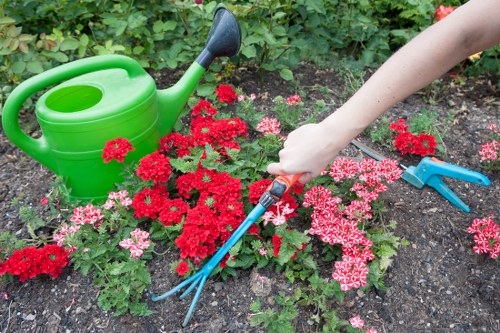
There are a few details that make garden maintenance easier to organise without turning the enquiry into paperwork. The main ones are access, scope and priorities: how to reach the garden, which parts need attention and what should be completed first if time or budget needs to be directed carefully. If there are gates, shared entrances, narrow paths or fragile planting, mention them early so the maintenance plan can be set out clearly.
It also helps to describe any recent changes to the garden. For example, if certain areas have already been cut back, if garden furniture needs to stay where it is, or if there are sections you do not want touched, say so in plain terms. That avoids confusion and makes the quotation more accurate. The aim is to keep the process straightforward: a short description, a sensible assessment and maintenance that reflects the garden as it is now.
- Describe the size and general condition of the garden.
- List the main tasks you want included in the visit.
- Mention access points, restrictions and anything to protect.
- Tell us whether waste removal should be included.
- Ask for a quotation based on the work you actually need.
About Chiswick
Chiswick is an established district in west London, on a bend of the River Thames between Hammersmith and Kew. Historically part of Middlesex, it developed from an older riverside settlement into a suburban area shaped by trade, transport and later residential growth. The river remains one of its defining features, with the Thames Path, historic embankments and views across the water giving the area a strong sense of place. Chiswick House and Gardens is among the best-known landmarks, a notable early eighteenth-century Palladian villa set within landscaped grounds that reflect the fashion for classical design. The broader area also includes a mix of Georgian terraces, Victorian streets and later housing, so the architecture is varied rather than uniform. Chiswick High Road acts as the main commercial spine, lined with shops, cafés and services, while quieter residential streets branch away into neighbourhood pockets with their own character. Turnham Green is a significant local open space and historic focal point, and there are several smaller parks and garden squares across the district. The area’s riverside setting, older buildings and leafy streets give it a distinctive urban landscape that combines movement, heritage and domestic scale. Cultural life has long been part of Chiswick’s identity too, with pubs, theatres, studios and local events contributing to a lively but neighbourhood-focused atmosphere. Its position near major routes into central London has never erased the more settled feel created by the river, gardens and established housing stock.
Ongoing Care And Practical Next Steps
Once a garden has been brought back into order, the most effective way to keep it that way is usually through continued maintenance rather than occasional rescue work. A steady pattern of attention supports neater borders, healthier grass and a more usable outdoor space. It also makes the work more predictable, because small tasks can be handled before they become larger and more disruptive. That is often the difference between a garden that feels easy to live with and one that constantly demands catch-up work.
We can help with maintenance that is focused, tidy and matched to the condition of the garden rather than overcomplicated. If your outdoor area needs routine care, seasonal tidying or a combination of lawn, hedge and border work, the next step is simple: tell us what needs attention and request a quotation. Where a clear contact or quote page is available, use it to make the enquiry; otherwise, send your details by the usual route and explain the work you want done in as much practical detail as you can.
Request a quotation for garden maintenance in Chiswick when you are ready to outline the work. If you would like to understand the wider company details first, the about us page and contact us page are also available, and you can use either to take the next step in a straightforward way.