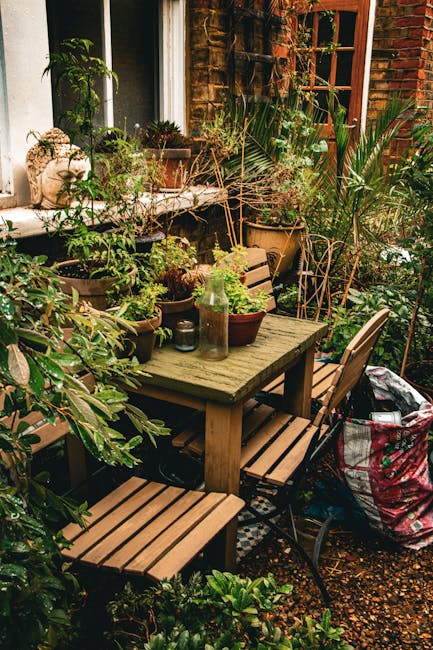
Best gardeners near Chiswick High Road W4 for small gardens
If you have a compact patio, a narrow courtyard, or a modest rear garden near Chiswick High Road W4, you already know the truth: small spaces can be surprisingly demanding. Every plant choice matters, every cut shows, and one rushed visit can make the whole place feel cramped. The best gardeners near Chiswick High Road W4 for small gardens understand that a tiny space is not a lesser job. It just needs sharper thinking, lighter-touch maintenance, and a proper eye for proportion. This guide walks you through what good small-garden care looks like, how to judge a gardener, and what to expect if you want a tidy, healthy space without the usual faff.
Small gardens can be lovely. They can also turn messy fast. A hedge leans a bit too far, the lawn gets patchy, the borders creep in, and suddenly the whole place feels smaller than it is. The good news? With the right gardener, even a tight space can look calm, balanced, and easy to enjoy.
Expert summary: The best small-garden gardeners combine neat maintenance, practical planting advice, and space-saving design judgement. In a compact W4 garden, that balance matters more than flashy ideas.
Table of Contents
- Why Best gardeners near Chiswick High Road W4 for small gardens Matters
- How Best gardeners near Chiswick High Road W4 for small gardens Works
- Key Benefits and Practical Advantages
- Who This Is For and When It Makes Sense
- Step-by-Step Guidance
- Expert Tips for Better Results
- Common Mistakes to Avoid
- Tools, Resources and Recommendations
- Law, Compliance, Standards, or Best Practice
- Options, Methods, or Comparison Table
- Case Study or Real-World Example
- Practical Checklist
- Conclusion
- Frequently Asked Questions
Why Best gardeners near Chiswick High Road W4 for small gardens Matters
Small gardens ask for more precision than people expect. A few centimetres can change how light moves, how easy a path feels underfoot, and whether the whole space reads as neat or cluttered. That is why choosing a gardener with genuine small-space experience matters. You want someone who can prune for shape, mow cleanly, trim hedges without leaving harsh edges, and spot what should be removed versus what should be left alone.
Near Chiswick High Road, a lot of gardens are squeezed between walls, fences, extensions, and shared boundaries. That means there is often less room for large tools, less tolerance for overgrowth, and a greater need for tidy working habits. The right gardener should be comfortable working in tight access, managing waste carefully, and protecting surrounding surfaces. A clumsy team can make a small garden look worse before it looks better. Not ideal, obviously.
There is also a visual reason this matters. In a compact garden, one untidy hedge or a tired strip of grass can dominate the entire view from the kitchen window. The reverse is also true: a crisp edge, well-shaped shrub, or freshly cleared corner can make the space feel brighter and more usable straight away.
For homeowners and tenants alike, small-garden care is often less about grand redesigns and more about consistency. That is where services such as garden maintenance and regular lawn mowing can make a bigger difference than a one-off overhaul.
How Best gardeners near Chiswick High Road W4 for small gardens Works
Good small-garden gardening usually starts with observation, not action. The gardener looks at light, access, soil condition, plant health, drainage, and how the garden is actually used. Is it a sitting space? A children's play patch? A narrow strip that needs to stay low-maintenance? These questions shape the work more than people realise.
In practice, the process is usually something like this:
- Assess the space. A careful look at borders, paths, hedges, lawn size, and any awkward corners.
- Prioritise the essentials. Tidy edges, remove dead growth, reduce overcrowding, and restore usable space.
- Choose proportionate work. In a small garden, pruning and trimming should improve scale, not flatten character.
- Manage waste properly. Clippings, branches, and soil waste should be cleared without leaving the area messy for days.
- Set a maintenance rhythm. Small gardens often look best with lighter, more frequent visits rather than dramatic occasional intervention.
That approach is especially useful if your garden has hedges, compact beds, a small lawn, or raised planters. Services like hedge trimming and garden clearance are often part of the mix, depending on how much has built up.
A decent gardener will also explain what they are doing and why. That sounds simple, but it is a very good sign. If someone can tell you why a shrub needs shaping now rather than later, or why a lawn should be cut slightly higher in a shaded area, you are probably in safe hands.
Key Benefits and Practical Advantages
The best gardeners for small gardens do more than keep things tidy. They help you get more from a limited footprint. That can mean more usable seating space, less visual clutter, healthier planting, and a calmer overall feel.
- Better use of space: Careful pruning and border management stop the garden from feeling boxed in.
- Cleaner appearance: Crisp edges and balanced growth make even simple spaces look cared for.
- Healthier plants: Regular attention reduces crowding, disease risk, and dead growth build-up.
- Less maintenance stress: A steady routine is easier than fighting an overgrown mess every few months.
- Safer, easier movement: Clear paths and reduced overhangs make the space more practical.
- More light and air: Thinning and shaping can improve how the garden feels, especially in narrow W4 plots.
There is also a financial angle, though it should be kept realistic. A well-maintained small garden is usually simpler and quicker to care for over time than one that is allowed to spiral. You are basically buying back time and reducing future catch-up work. No one enjoys the "sorry, it's a bit of a state" conversation when the garden has been ignored for six weeks.
If your outdoor area includes hard landscaping, timber features, or a deck, it can also help to bring in related services such as landscaping or decking services where needed. In a compact plot, structure matters just as much as planting.
Who This Is For and When It Makes Sense
This kind of service is a strong fit for a few common situations. You might recognise yourself in one of these.
Homeowners with a small back garden: If your space is used for morning coffee, a few pots, a bench, or a small patch of grass, you probably need regular care more than dramatic changes.
Busy professionals: Small gardens can look great with modest upkeep, but they still need time. If yours keeps slipping down the list, routine help makes sense.
Landlords and letting agents: A neat garden helps with first impressions. For smaller rental properties, fast, reliable maintenance is often enough to keep things presentable.
Older residents or anyone avoiding heavy gardening: Light pruning, mowing, and tidy-ups can preserve a garden without the strain of doing it all yourself.
People planning a refresh: If the garden has become a bit uneven, overplanted, or simply awkward to use, a gardener can help reset it before you decide on bigger changes.
It also makes sense after seasonal growth bursts. Early summer can be a busy moment, and by late autumn the little gardens can look surprisingly tired. Sometimes all it takes is a proper clear-out and a sensible plan for the next few months.
Step-by-Step Guidance
If you are trying to choose the right gardener and get the best outcome, keep the process simple. A neat decision process usually works better than rushing into the first available slot.
1. Look at the space honestly
Stand in the garden and notice what actually causes the problem. Is it overgrown hedging, a lawn that never quite settles, patchy borders, or clutter around the edges? The more specific you are, the better the result.
2. Decide whether you need maintenance, clearance, or design help
If it is routine upkeep, regular garden maintenance may be enough. If the space has become blocked, clogged, or full of debris, garden clearance may be the better first step. If you want to rework the layout, then some form of landscape gardening may be worth discussing.
3. Ask how they handle small-access gardens
This is a good filter. Can they work through narrow side passages? Do they protect paving and doors? How do they manage waste removal? In a small garden, logistics matter almost as much as horticulture.
4. Check the proposed work plan
You want a clear idea of what is included. Mowing only? Hedge shaping too? Leaf clearance? Border weeding? A proper plan prevents that awkward moment where one person thought "tidy up" meant one thing and the other meant another. Happens more than it should.
5. Agree on timing and frequency
Small gardens usually benefit from a regular rhythm. Fortnightly or monthly visits can keep growth manageable, especially during the growing season. A once-a-year rescue is possible, but it is rarely the easiest path.
6. Review the result and adjust
After the first visit, notice what improves most. Was the lawn the main issue? Did the hedge need stronger shaping? Did the space feel more open once the border debris was removed? Good gardeners welcome feedback because it helps them fine-tune the next visit.
Expert Tips for Better Results
Small gardens reward restraint. That may sound almost too simple, but it is true. A space with limited square footage usually looks best when features are chosen carefully and work is done with lightness rather than aggression.
- Use layered but low-growing planting: This adds texture without swallowing the space.
- Keep edges crisp: A sharply defined lawn edge can make a garden feel much more intentional.
- Prune for shape, not just size: Flat reductions can make shrubs look harsh. Soft shaping usually works better.
- Keep one focal point: A pot, bench, tree, or feature wall is often enough. Too many focal points in a small garden is a bit of a muddle.
- Let light move through the space: Thin out dense areas where safe and appropriate, especially if the garden is shaded by buildings.
- Match maintenance to use: If you sit in the garden every day, you will notice neglect much more quickly than someone who only steps outside occasionally.
One useful habit is to think seasonally. In spring and early summer, growth can get away from you very quickly. In autumn, leaves and cuttings can make a compact space feel cluttered in no time. A gardener who understands these rhythms will keep the space easier to live with, not just better for one afternoon.
Also, do not underestimate the value of plain old tidying. You know the feeling when a garden suddenly looks twice as big after five minutes of clearing? Yes, that. It is not glamorous, but it works.
Common Mistakes to Avoid
Small gardens are unforgiving when work is heavy-handed. A few common mistakes show up again and again.
- Cutting everything back too hard: This can leave the garden looking bare rather than balanced.
- Ignoring drainage or shade: A lawn may struggle if the conditions are not right, no matter how neatly it is cut.
- Overfilling the space: Too many pots, ornaments, or oversized shrubs can make the garden feel cramped.
- Choosing style over practicality: Fancy ideas are fine, but not if you cannot move comfortably through the space.
- Leaving maintenance too long: Small gardens go from fine to awkward faster than people expect.
- Hiring without checking small-garden experience: General gardening is helpful, but compact plots need specific judgement.
A less obvious mistake is assuming every plant should be kept because it is alive. Sometimes a plant is simply in the wrong place. In a small garden, one poorly positioned shrub can dominate the whole mood. That is where a sensible, experienced gardener earns their keep.
Tools, Resources and Recommendations
You do not need a shed full of specialist kit to maintain a small garden well, but the right tools make the work cleaner and quicker. For most compact gardens, practical equipment matters more than fancy machinery.
Useful tools and supplies:
- Lightweight mower or hand tools for tighter areas
- Sharp secateurs for clean cuts on shrubs and smaller stems
- Long-handled shears for shaping hedges and topiary
- Leaf rake or blower for seasonal clean-ups
- Gloves that actually fit, which sounds basic but makes a difference
- Compost bags or waste sacks for manageable disposal
From a service point of view, it is worth looking for a gardener who also understands the wider upkeep of a property. That might include services overview information, or related work such as tree lopping and removal where a larger tree is taking too much light from a small space. If timber features are part of the garden, a team that also handles landscaping can be useful when the layout needs a practical reset.
And if you are comparing providers, ask how they handle waste, whether they are insured, and how they approach property protection. A tidy garden should not come with scratched paving or a battered gate. That sort of thing sticks in the mind for all the wrong reasons.
Law, Compliance, Standards, or Best Practice
For ordinary garden care, you usually are not dealing with complicated legal issues. Still, there are sensible standards that good gardeners follow in the UK.
Health and safety: Reputable gardeners should work safely, especially when using cutting equipment, handling lifting tasks, or working near walls, fences, and glazed doors. You can review a company's approach through its health and safety policy and insurance and safety information.
Waste handling: Green waste should be removed or managed responsibly. If waste is being taken away, it should be done in a way that is orderly and appropriate for the job. For some gardens, recycling and reuse are also relevant, especially where there is a lot of cut material.
Access and property care: Working in tight gardens means respecting shared paths, neighbouring boundaries, and fragile surfaces. It is basic professional behaviour, but it matters a lot in practice.
Fair trading and service clarity: Good practice means clear quotes, clear scope, and no surprise extras buried in the detail. If you are unsure what is included, ask before the work starts. That sounds obvious, yet people forget it all the time.
You may also want to review a provider's pricing and quotes page, along with terms and conditions, before booking. It helps avoid confusion later. Not thrilling reading, granted, but useful.
Options, Methods, or Comparison Table
Different small gardens need different levels of help. Some only need a light monthly tidy. Others need a reset and then regular care. The table below gives a simple comparison.
| Option | Best for | Typical outcome | Watch-outs |
|---|---|---|---|
| Routine maintenance | Small gardens that are already under control | Neat lawn, tidy edges, healthy growth | May not solve deeper layout problems |
| Garden clearance | Overgrown, cluttered, or neglected spaces | Usable space restored quickly | Usually not the same as long-term design improvement |
| Hedge trimming and shaping | Boundaries, privacy screens, and compact shrub beds | Cleaner lines, better light, less crowding | Overcutting can make plants look harsh |
| Landscaping or redesign | Small gardens that feel awkward or underused | Better flow, improved structure, smarter use of space | Usually needs more planning than a simple tidy-up |
| Lawn care focus | Gardens where the grass is the main feature | Sharper finish and healthier-looking turf | Shade, pets, and drainage may limit results |
In reality, many small gardens need a combination. A hedge trim here, a bit of clearance there, maybe some structural improvement later. The neat thing is, you do not have to do everything at once. In fact, with a small garden, doing less but doing it well often works better.
Case Study or Real-World Example
Imagine a narrow W4 garden behind a terraced property near Chiswick High Road. It is not huge, but it is used every day. There is a small lawn, two shrubs that have grown wider than expected, a line of pots by the fence, and a patch of leaves that seems to collect no matter how often it is swept.
The owner does not want a dramatic redesign. They just want the space to feel calmer and easier to use. A gardener starts by clearing the clutter, cutting back the shrub growth lightly, and re-edging the lawn. The pots are moved so the path feels less squeezed. One small tree is checked for overhang and left in better shape. By the end, the garden is not transformed into something else; it is simply easier to live with.
That is the quiet win with small gardens. It is rarely about spectacle. It is about walking outside and thinking, "Ah, that feels better." A little air. A little order. Maybe even a chair pulled out for tea on a mild afternoon.
If the area had been more neglected, a one-off garden clearance might have come first, followed by a lighter maintenance routine. That sequence often makes more sense than trying to tidy and redesign everything in one go.
Practical Checklist
Use this quick checklist before hiring or booking a gardener for a small garden near Chiswick High Road W4.
- Is the gardener experienced with compact gardens and tight access?
- Have you explained whether you need maintenance, clearance, trimming, or a broader refresh?
- Is the garden's main problem growth, layout, usability, or all three?
- Have you asked what is included in the visit?
- Do you know how green waste will be handled?
- Have you checked whether the provider is insured?
- Is there a sensible plan for regular upkeep after the first visit?
- Have you considered whether pruning, mowing, or landscaping will help most?
- Are there delicate plants, shared boundaries, or surfaces that need extra care?
- Do you feel clear about the price and scope before work begins?
If you can answer most of those with confidence, you are already ahead of the game. Seriously, that alone filters out a lot of avoidable hassle.
Conclusion
The best gardeners near Chiswick High Road W4 for small gardens are the ones who know how to make limited space feel thoughtful, tidy, and easy to enjoy. They understand proportion. They respect access limitations. They keep maintenance realistic. And they know when a garden needs a careful trim, a proper clearance, or a more structural approach.
For a small garden, the real goal is not perfection. It is usability, balance, and a space that feels good to step into on an ordinary day. A good gardener can help you get there without fuss, overcomplication, or overcutting. That kind of care is worth a lot.
If you are ready to restore order, improve the look of your garden, or simply take the pressure off weekly upkeep, the next step is a simple one.
Get a free quote today and see how much you can save.
And if nothing else, remember this: even the smallest garden can feel generous when it is looked after properly.
Frequently Asked Questions
What should I look for in a gardener for a small garden near Chiswick High Road W4?
Look for experience with compact spaces, clear communication, tidy working habits, and a sensible approach to pruning, mowing, and waste removal. Small gardens need precision, not just labour.
Is regular maintenance better than occasional big tidy-ups?
Usually, yes. Small gardens tend to stay healthier and look better with lighter, more frequent maintenance rather than a big rescue job every few months.
How often should a small garden be maintained?
That depends on growth rate, planting style, and how you use the space. Many small gardens benefit from visits every few weeks in the growing season, then less often in quieter months.
Do small gardens need landscaping, or just maintenance?
Some only need upkeep. Others have awkward layouts, poor use of space, or tired surfaces that benefit from landscaping. If the garden feels impractical, design help may be worthwhile.
Can a gardener help if my small garden is badly overgrown?
Yes. In that case, garden clearance often comes first, followed by trimming and a maintenance plan so the space does not slip back into the same state.
What services are most useful for small gardens?
Commonly useful services include garden maintenance, hedge trimming, lawn mowing, garden clearance, and sometimes landscaping or decking services if the layout needs improving.
How do I know if a quote is fair?
A fair quote should clearly explain what is included, such as labour, waste removal, and the type of work to be done. If anything feels vague, ask for clarification before booking.
Should I choose a gardener who offers many services?
It can help, especially if your garden needs more than one type of work. A provider that handles maintenance, clearance, trimming, and landscaping can be convenient, but relevance matters more than quantity.
What if my garden has limited access?
That is common in London. Ask how the gardener handles narrow side access, delicate paving, and waste removal. Good small-garden teams should be used to this.
Is it worth getting help if my garden is only tiny?
Absolutely. Tiny gardens often show neglect faster than larger ones. A little expert care can make a disproportionate difference, which is rather satisfying, to be fair.
How can I keep a small garden looking good between visits?
Keep dead leaves cleared, water sensibly, remove obvious weeds, and avoid adding too many extras that crowd the space. A small weekly reset is usually enough to keep things presentable.
Where can I find more about the company behind these services?
If you want background information before deciding, the company's about us page is a good place to start, and the contact page is the natural next step if you want to ask questions directly.
If you prefer to review service standards, you can also look at the company's recycling and sustainability information and its payment and security page for extra reassurance.